
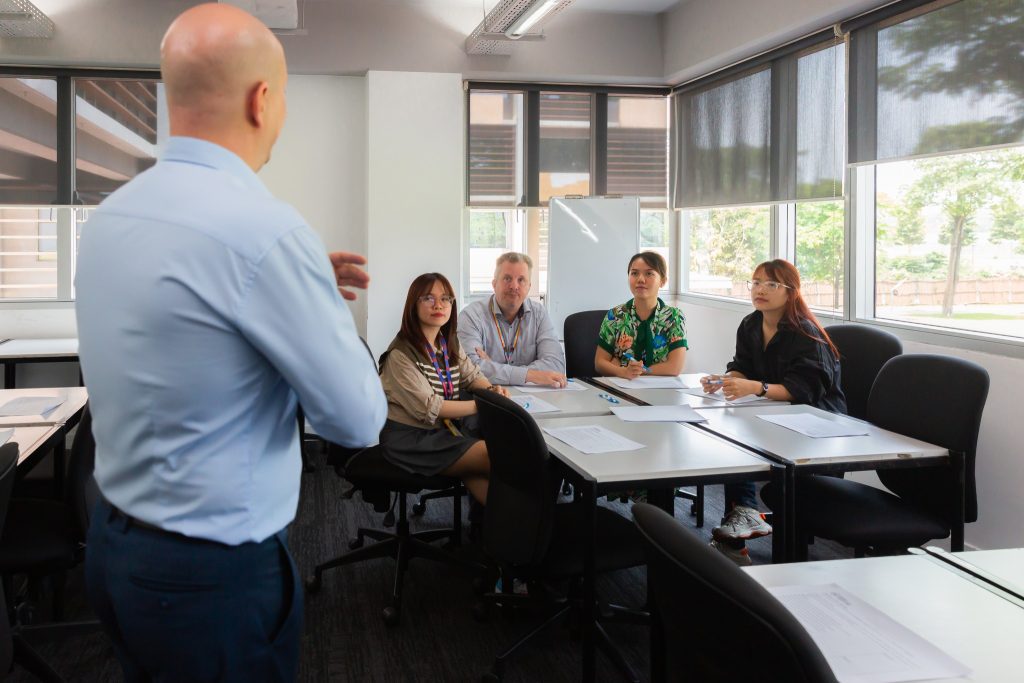
Facilitators are essential for making sure training runs smoothly by guiding trainees in their pursuit of new knowledge and skill–The only problem is, not many facilitators get it right! The reality is, many training sessions still lack facilitators that know how to take training sessions from average to great. That’s why in this article, let’s take a look at a few facilitation tips to ensure training sessions are great.
What’s A Training Session?
Before diving into how to actually start facilitating great training sessions, it’s worthwhile taking a look at what training sessions are. While they might sound self explanatory–which, in some ways they are–it’s useful to have a clear understanding of them. This aids in learning the facilitator’s role with them.
As such, a training session can be defined as any occasion in which trainees are taught content or provided with information to learn a skill. Content and skills trained can be a blend of hard and soft skills, say, for example, anything from teaching Excel (hard skill) to teaching negotiation (soft skill). Furthermore, the importance of training cannot be overstated, with 92% of employees reporting how workplace training impacts their job engagement positively, according to Devlin Peck.
Related: Read up on our Professional Skills Development services
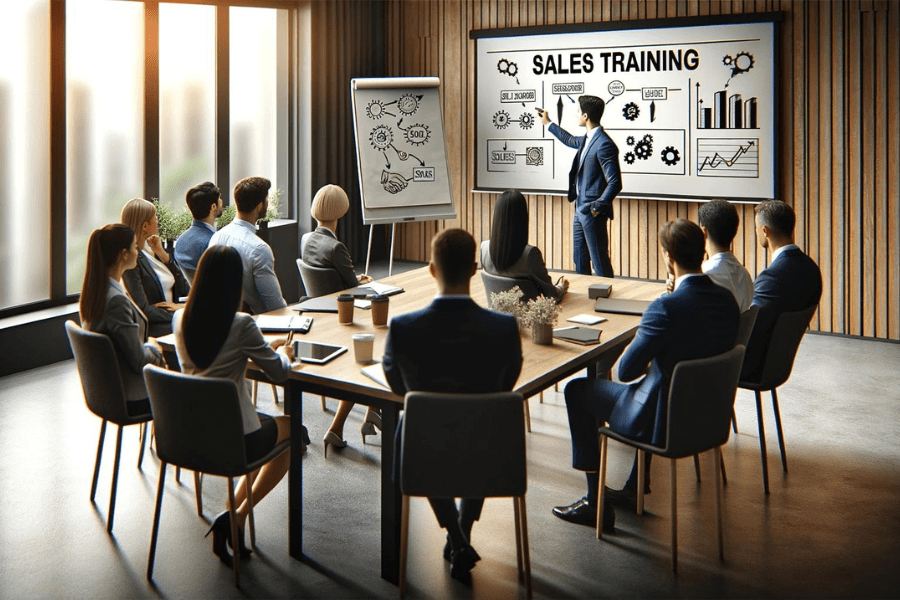
What’s A Facilitator’s Role In Training Sessions?
Within these sessions, a facilitator can take on two roles:
- Facilitating A Topic: Facilitating a topic refers to the act of helping a group come to an understanding about a new skill (for example, learning negotiation skills).
- Facilitating A Group: Facilitating a group refers to the act of helping a group solve an internal problem they’ve been dealing with (for example, improving communication amongst team members).
→ While the outcome of these sessions are slightly different, the role of a facilitator remains to provide a platform and structure that guides trainees to skill acquisition or problem solving.
How Do You Facilitate A Great Training Session?
Involve People
From my years of experience facilitating training sessions, one key point I’ve come to understand about what makes them successful is whether or not people are involved from the start.
What I mean by this is that with some training sessions, the facilitator and group of trainees meet and without any icebreaker or conversation regarding what’s to happen, jump right into the content in an attempt to begin ‘learning’. This isn’t the way to go.
For a training session to be great, facilitators need to involve people from the start. This means anything from icebreakers, warmups, but most importantly, conversations about the trainee’s goals for a given training.
Create An Identifiable Agenda
Once people are involved, it’s necessary to create an agenda in which those people can identify themselves. Unfortunately, what happens all too often is that an agenda for a training session is created without asking trainees questions or allowing them the opportunity to express their goals and concerns. When this happens, people can no longer identify with the training, making it all the more difficult for new skills to be acquired or internal problems addressed.
A great facilitator creates an identifiable agenda by allowing people to talk and share their past struggles and future hopes. Doing so increases people’s ability to recognise pain points and creates an urgency to remedy these parts. Furthermore, from these conversations a facilitator can tailor a training agenda that is most suited for that particular group’s needs.
Blend Theory With Exercises
Finally, a great training session always strikes the perfect balance between theory and more hands-on exercises. The only issue is, a lot of the time training content is focused too much on one or the other, meaning that learning isn’t as effective as it could be.
One major issue that most people are familiar with is ‘learning’ through a series of Powerpoint slides. This type of inactive learning doesn’t amount to much knowledge gain, as was evidenced in a study published in 2019.
While such studies point to the efficacy of active, hands-on learning, some facilitators take this too far by only doing things like role plays in training sessions. While I rely on activities in my own training sessions, the importance of straight, factual information cannot be overstated. Again, balance is key and this helps with long-term information retention.
Follow-ups & Evaluation
Lastly, a great facilitator understands the importance of follow-up sessions, as well the value of evaluating their own training sessions.
Regarding follow-up sessions, I usually have one 4-6 weeks after the last training sessions. Doing this allows me to check whether information has been retained, and gives trainees an opportunity to follow up with any queuries.
As for evaluation, this is more to do with a facilitator receiving feedback and developing their training sessions over time. Looking back on my 20 years as a facilitator, I’ve learned a lot and many things have changed.
Unsure about a training strategy? Read up on how a Skills Development Facilitator Can Help You Make A Training Strategy
What About Training Sessions For Gen Z?
As an increasing number of Gen Zers enter the workforce, it’s becoming more and more important to consider their specific training wants and needs.
The plus side is that Gen Z as a whole has an innate desire to learn, with studies like this one from TalentLMS finding that Gen Zers prioritize career development and find learning opportunities highly appealing. This means they are some of the most motivated and curious learners, which makes them ideal participants in training sessions.
Having said this, some areas in which they might leave a little wanting is the difficulty they have in receiving feedback, their attention span, and the occasional trouble they have in being trained in-person. Let’s see what can be done about this.
Solution #1: Create A Calm Atmosphere
When training Gen Zers, it’s vital to create an atmosphere of calm and trust to ensure they feel comfortable enough to make mistakes. This is crucial, as mistakes during training sessions are where growth occurs.
Solution #2: Set Goals Quickly
Given the nature of the digitized world they grew up in, Gen Zers tend to have a shorter attention span. This is why it’s vital to set training goals quickly when working with a younger group, as this allows them to understand the why behind their training.
Solution #3: Don’t Be Afraid To Go Digital
Gen Zers are comfortable with technology. This is why it’s helpful to utilize digital platforms like Facebook, Instagram, and TikTok as part of training sessions. Furthermore, taking training online is another suitable idea, given the generation’s comfort with the online world.
→ Using these 3 solutions ensures training sessions can benefit Gen Zers. This is vital as, according to the same study by Devlin Peck, companies with comprehensive employee training programs have 218% higher income per employee than companies without formalized training!
How Can I Help?
With 20 years experience, including impactful roles at Google and Apple, I, Thijs van Loon, am here to help. My suite of services as a Skills Development Facilitator has been meticulously designed to propel your team to new heights.
One area of expertise is in Professional Skills Development, which can cover anything from sales training, team management, and train the trainer.
By leveraging training certifications from Google and Apple, in addition to my certifications in NLP and Psych-K, I offer tailored, practical solutions that deliver immediate results to your business. By working together, I can help you empower the individuals in your company and your business at large, whether in Vietnam, Singapore or other locations in Southeast Asia.